

Temple Manor
A medieval Knights Templar manor house hidden behind railings in the middle of an industrial estate, just down the road from Morrisons in Strood, Kent.
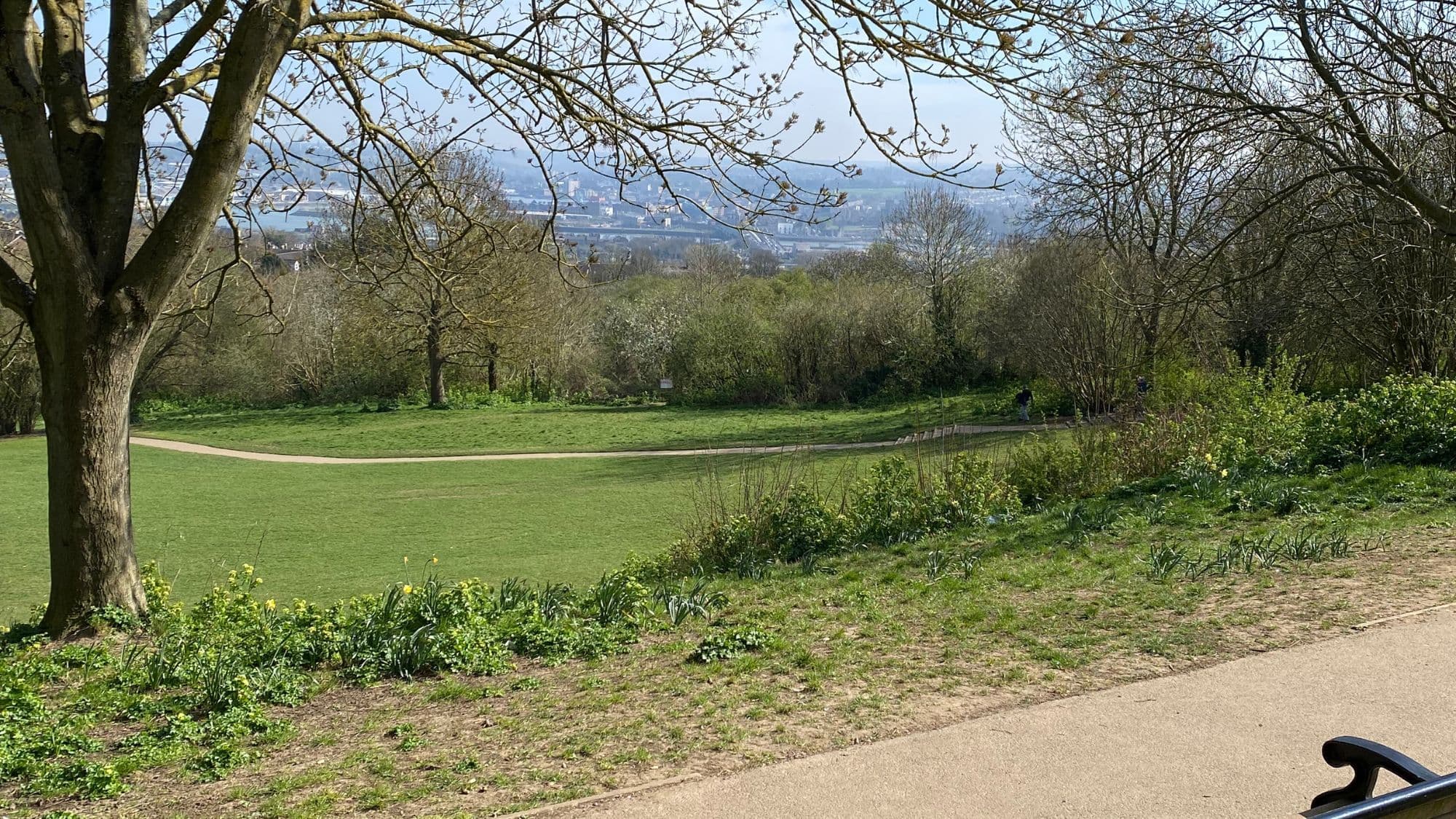
Strood’s reputation isn’t really one of great beauty, to be fair. A compact suburban area, once home to many pubs, it slopes towards the River Medway on the edge of the North Downs. What many choose to overlook are the extraordinary views across the river towards Rochester’s Historic Centre from Broomhill Park, its role as the retail heart of the area and a number of popular family-run restaurants in and around Strood, including New Shad, Jerk Café and Isaan.
What many people don’t realise, however, is the historical significance of Strood.
The industrial estate just beyond Morrisons car park and petrol station is not the most obvious location for one of England’s rare surviving Templar buildings. Yet down a dusty road, amongst haulage trailers and behind metal railings, there it is. Set within a small pocket of green, it feels rather peculiar in its surroundings. But long before the industrial estate arrived, this was farmland.
The manor of Strood was granted to the Knights Templar by Henry II in 1159. The stone hall seen today came around 70 years later, part of a camera - a smaller Templar estate that generated income and resources for the Order through its land, rents and local dues. Despite the name, this was not a manor full of knights. It is thought that no more than two Templar brethren would have lived here permanently, if that. Instead, the hall may have provided accommodation for Templar dignitaries travelling between London and Dover.
Inside, the building gives hints of a once grander past than its setting suggests. On the lower level, stone ribs stretch across a vaulted medieval ceiling, the spaces between filled with blocks of pale chalk. It is unexpectedly ornate for an undercroft and feels far removed from the haulage trailers that surround the grounds.
Climb the external staircase and upstairs feels different. Light floods in from a bay window just off the first-floor hall. Here, the original 13th-century stone building meets the later red-brick additions. Look closely and a fragile section of medieval decoration still survives. The rough stone walls were once plastered and painted to give the appearance of smooth masonry. A small detail that reveals just how different this room would once have looked.
The Knights Templar disappeared from Temple Manor in the early 14th century. The building passed through numerous hands and was altered over time, including by the Blake family, who added the brick extensions in the 17th century.
By the 1930s, the surrounding land was being developed for industry. Some of the manor’s buildings were lost and the house itself fell into disrepair, but what remained was eventually restored after the war.
Today, everything around the manor has changed. The farmland is now home to warehouses, haulage yards, a supermarket and a car wash. Yet behind the railings, in one of the least likely corners of Strood, a medieval Templar manor house still stands.
Temple Manor can be seen from outside the railings year-round. Access inside the grounds and manor is seasonal, usually between April and October. The building is currently closed while English Heritage takes over management of the site. Check opening arrangements before making a special journey.

New on the List, changing seasons and everyday moments from around Medway and nearby.