
Rochester Castle
Climb one of England's finest Norman keeps, discover centuries of history and enjoy sweeping views across Rochester, the River Medway and the cathedral.
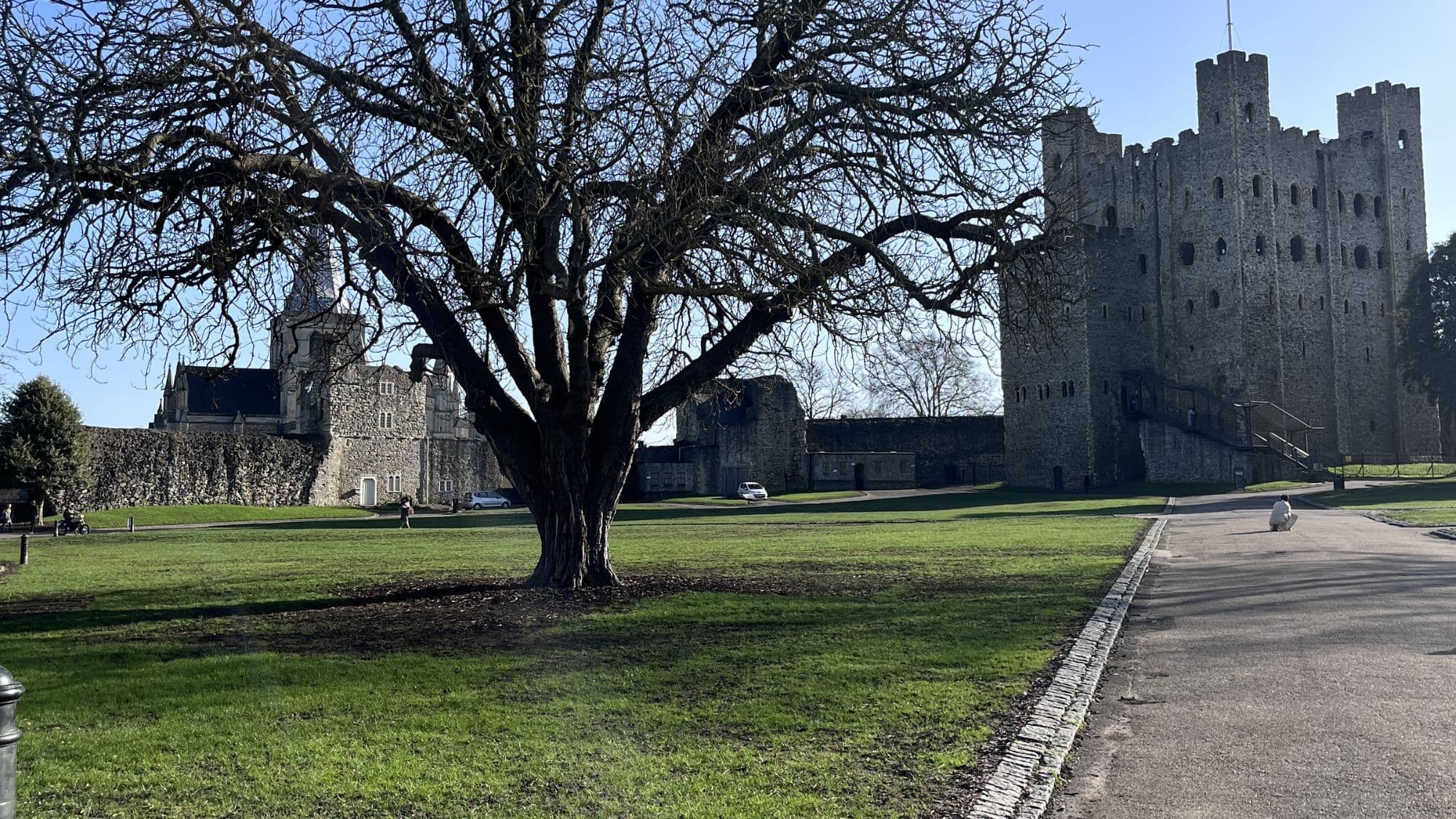
One of England's finest surviving Norman keeps, Rochester Castle has watched over the River Medway for almost 900 years. Rising above Rochester Castle Gardens, its weathered stone walls still dominate Rochester's skyline, offering a reminder of the castle's role in protecting one of the most important river crossings in medieval England.
Some of the outer castle survives today as peaceful gardens hidden behind stretches of medieval wall, with the great keep drawing the visitors in. Climbing through its vast interior reveals not only remarkable Norman architecture but also changing views across Rochester that reveal why this bend in the river has been strategically important since Roman times.
Inside the castle the bustle of Rochester High Street slowly fades. Thick stone walls, enormous open chambers and decorative Norman arches create a space that feels both powerful and yet peaceful. Shafts of daylight fall through narrow openings, catching the rough stonework while shadows fill the corners, once rooms alive with servants, soldiers, nobles and clergy. Old fireplaces, the castle well and the sockets where timber floors once stood offer quiet reminders that this was once a working residence as well as a fortress.
The climb to the keep begins with an iron staircase, where the wind often whistles around the outside before stepping in to the cool interiors. As you make your way upwards, each level frames Rochester from a slightly different angle. One small window unexpectedly reveals Rochester Cathedral standing close by, while higher openings look across the River Medway, the bridge and the trees and rooftops beyond. By the time you reach the summit, the views stretch across much of Medway, offering a perspective that is difficult to appreciate from street level.
The castle's history is as dramatic as it looks. Built in the early 12th century for William de Corbeil, Archbishop of Canterbury, the keep became the centrepiece of one of England's most important Norman fortresses. During the famous siege of 1215, King John's forces surrounded the castle after rebellious barons took control. The king's men tunnelled beneath the south-east keep and then used fat from forty pigs to set fire to the supporting timbers. Part of the keep collapsed, yet the defenders continued to resist before finally surrendering. Even today, visitors can still see where the south-east corner was rebuilt following the siege.
One of the pleasures of visiting is noticing the details that are easy to miss. Look closely and you'll spot centuries of graffiti carved into the stonework, some modern, others far older. These quiet marks left by generations of visitors sit alongside architectural details that have survived for almost a thousand years, adding another quieter layer to the castle's long formidable story.
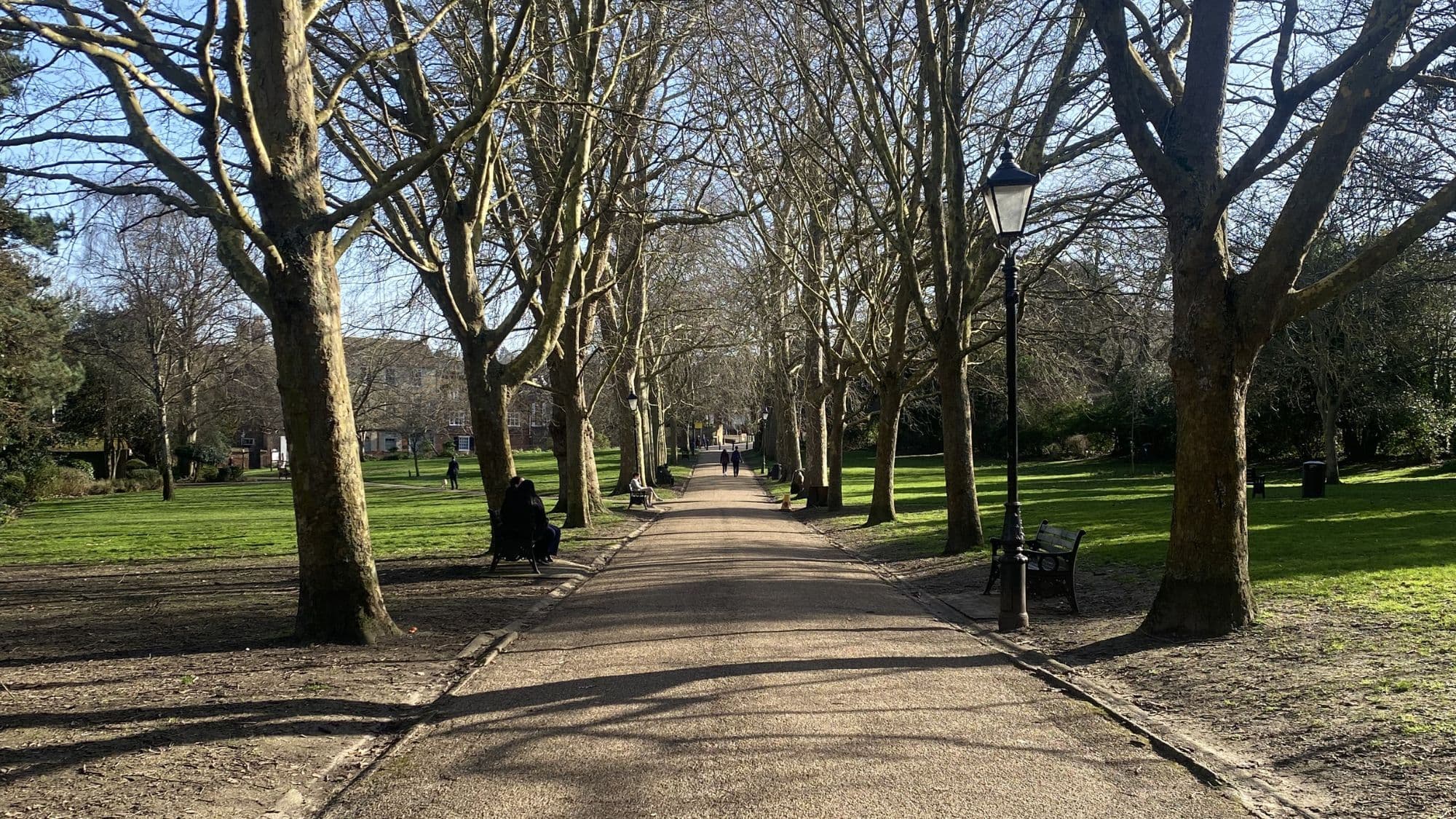
Rochester Castle is best enjoyed as part of a slower day exploring the city. Combine your visit with Rochester Cathedral, wander around the independent shops and cafés on the High Street, or relax afterwards in Rochester Castle Gardens beneath the walls you've just climbed.
Good to know
An easy day trip from London, with direct train service to Rochester.
Allow around one hour to explore the keep and enjoy the views. Every level reveals a different view, so don’t rush the climb up to the summit.
The climb involves many steep staircases and uneven medieval floors, so it is not accessible to all visitors.
The interior remains cool during warmer weather, making it a pleasant place to explore in summer.
Public toilets are available within Rochester Castle Gardens.
Food, cafés and independent restaurants are all within a short walk on Rochester High Street.
Dogs are not permitted inside the keep (assistance dogs excepted).
Pair your visit with our guided audio tour 'A Quiet Walk Through Historic Rochester'.
Why visit?
From above, Rochester begins to make sense. Looking out across the River Medway, the cathedral and the High Street, you start to understand why people have chosen this place for nearly two thousand years.